Musical instruments are awkward cargo. They combine fragile parts, odd shapes and sentimental value, often in one case. A guitar in a soft bag, a violin in a hard case and a school trumpet in cardboard all need different handling. Getting it wrong means cracked finishes, bent keys or an out-of-tune piano that takes weeks to settle.
Start with the case, not the van
Hard cases exist for a reason. If you still have factory boxes for keyboards or smaller amps, use them with corner foam. Soft gig bags are fine for short car trips but offer less protection on a busy removal day when items shift in transit.
Empty pockets of sheet music into flat folders so pages do not crease. Remove capos, mutes and stands into a labelled bag that travels with the instrument.
String instruments
Loosen strings slightly on guitars and violins if the move crosses a cold day, but leave enough tension that the neck is not shocked by a sudden change. Pad the headstock and bridge with cloth. Keep cases upright and strap them so they cannot slide.
Never lean multiple cases against each other without securing them. One sliding case can domino the rest.
Brass and woodwind
Take mouthpieces and reeds in your hand luggage if the instrument travels in the van. Pad keys on flutes and clarinets so they do not bounce. Empty water from horns and dry slides where you can to avoid leaks inside cases.
Keyboards and amps
Remove stands and pack them flat. Wrap screens on digital pianos in blankets without tape touching finishes. Coils of cable should be loosely looped, not tight, to avoid strain on connectors.
Pianos need their own plan
Upright and grand pianos are heavy, top-heavy and sensitive to bumps. They require specialist skates, straps and often partial dismantling of legs on grands. Floors and doorways must be measured before moving day.
Book piano removals rather than asking general movers to improvise. Tell us about steps, turns and whether the piano has been tuned recently so we bring the right crew size.
Climate and settling in
Wood expands and contracts with temperature. Let instruments acclimatise in their cases for a few hours in the new room before a full tune-up. Pianos often need tuning after a move even when handling was perfect.
Insurance and value
Standard removal cover may not match the value of professional instruments. Our goods in transit cover up to £50,000 per load applies only if purchased; discuss high-value items when you quote. Keep photos and serial numbers in case you ever need to claim.
Loading order
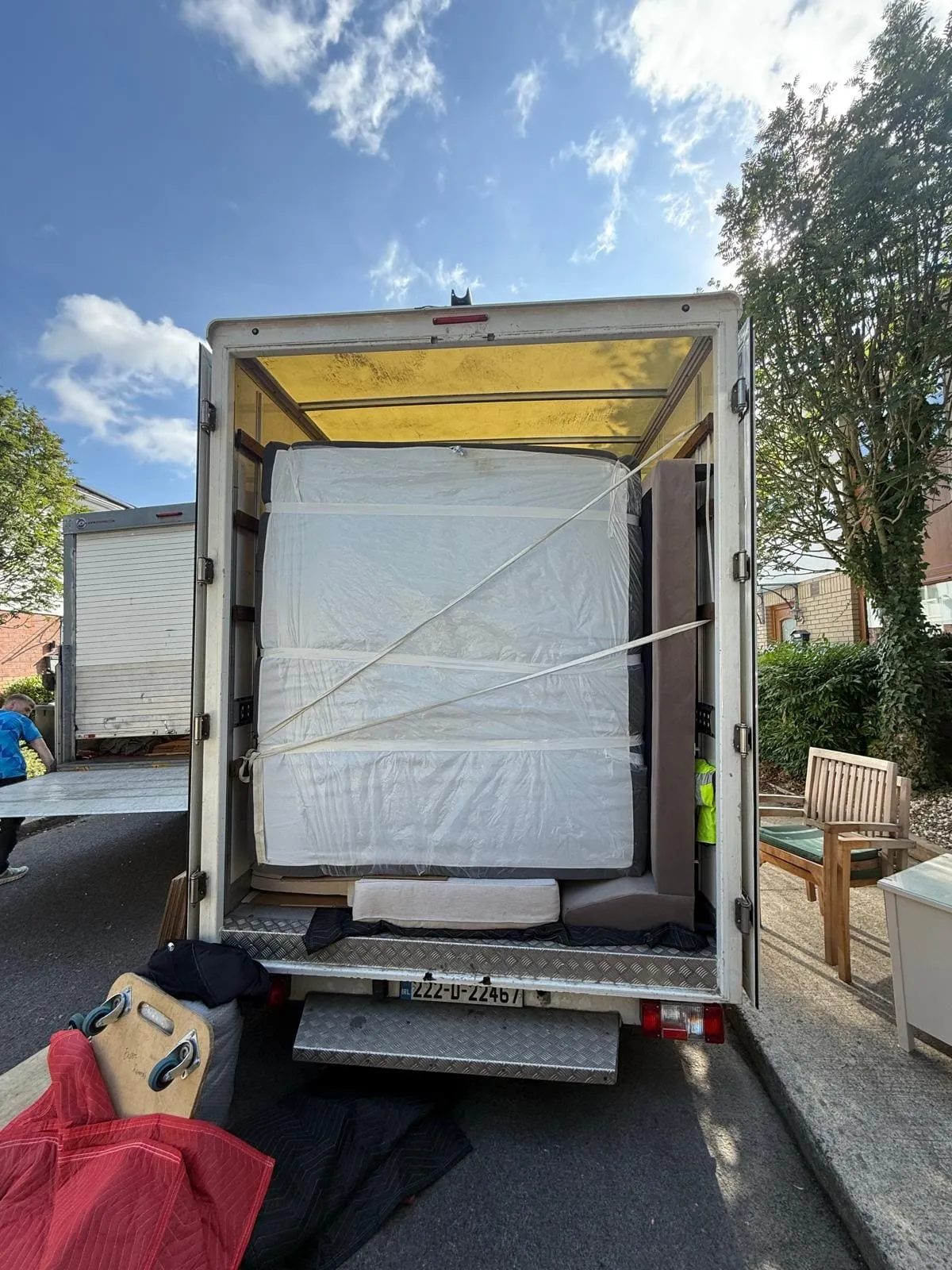
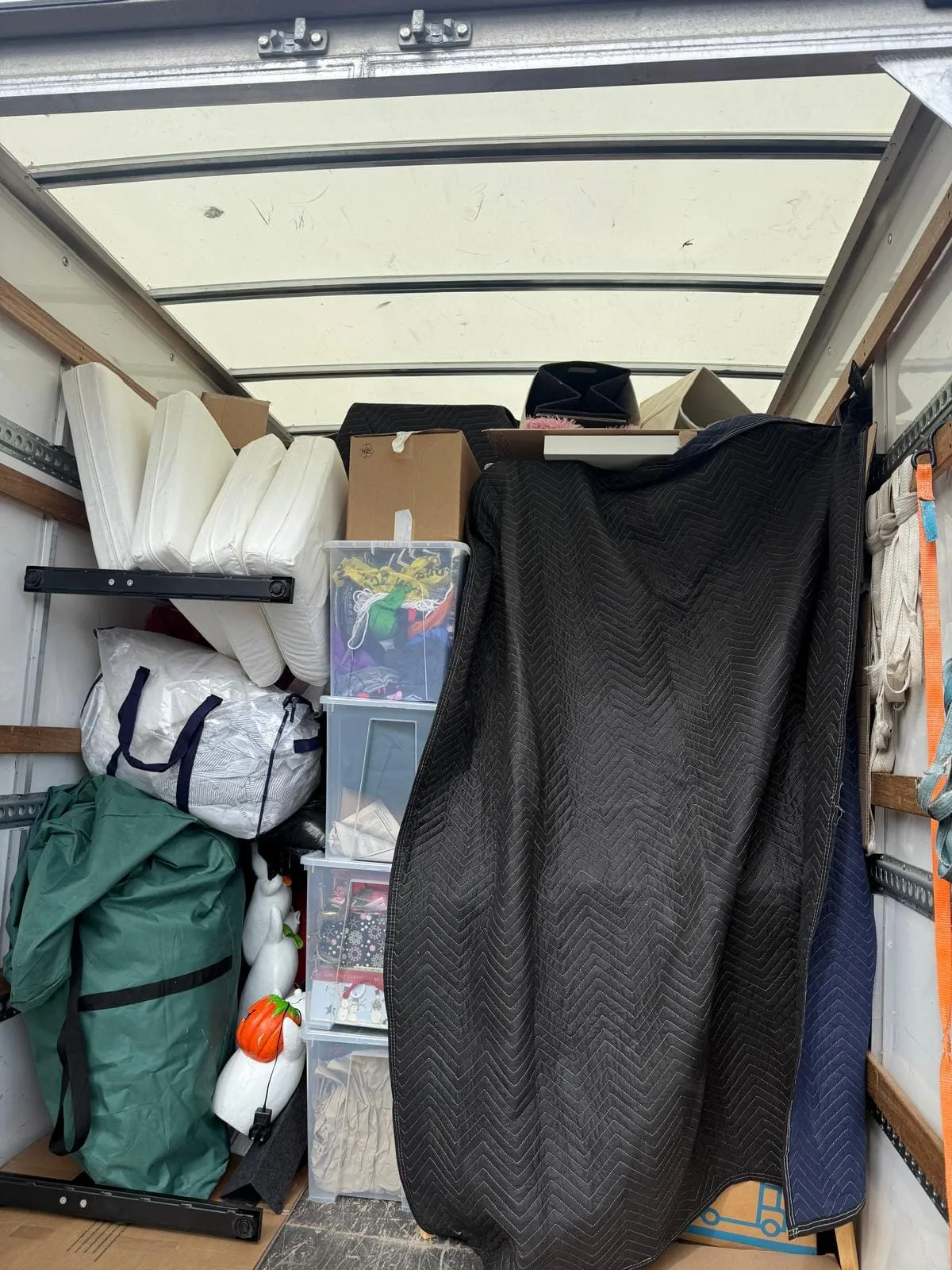
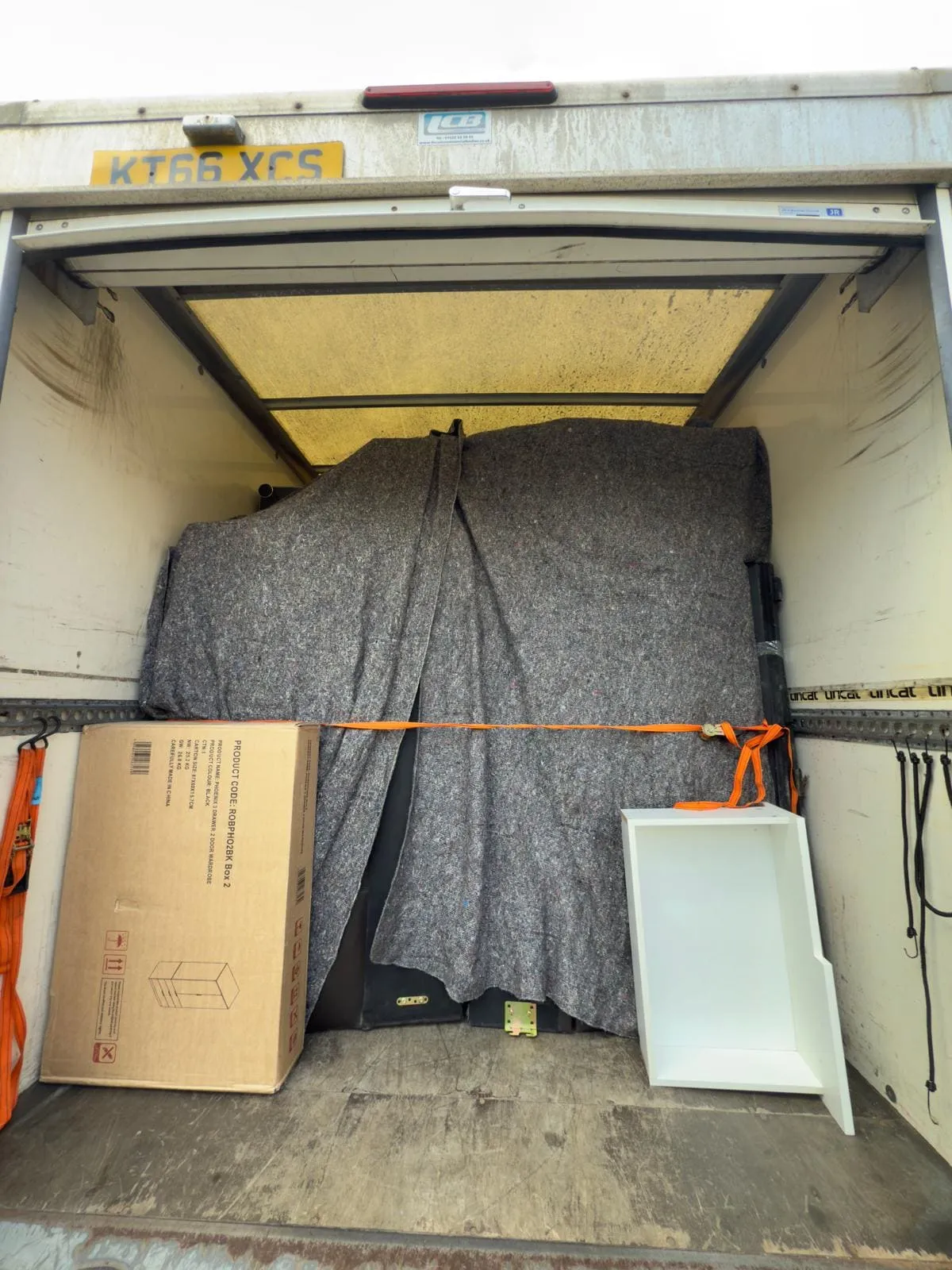
Instruments should load where nothing will fall onto them, often last on and first off. Tell the crew which boxes are fragile music gear rather than hiding them inside generic cartons.
For other delicate home items, see items that often get damaged during home removals so your packing plan covers the whole house.
When you are ready to schedule instrument transport alongside the rest of your home, get a quote with sizes, access and any piano or amp details included.
Recording gear and home studios
Microphone stands, speakers and rack units need the same cable labelling discipline as office IT. Pack shock mounts in rigid boxes so fragile capsules do not rattle inside drawers.
Planning a move in Batley?
Get a free, no-obligation quote, or try the cost calculator for a rough idea first.